
①
Normal executionPrimary AI
Your preferred provider handles the workflow under normal conditions using the same external workflow contract.
The three-mode system, portable handoff packet, model-routing map, and outage drill that keep AI-powered work moving when a provider goes down, plus a transparent look at Jeff’s hybrid fleet and AI Fleet Router control plane.
When prompts live only in chat history, source files are scattered, and nobody knows the backup route, a provider outage becomes a team outage. The work waits because the operating knowledge was never separated from the tool.
The answer is not a bigger pile of subscriptions. It is one workflow rebuilt so its inputs, instructions, review criteria, ownership, and fallback path can travel.
Backup does not mean opening another chatbot and hoping. Each mode has defined inputs, output criteria, ownership, and QA.
Your preferred provider handles the workflow under normal conditions using the same external workflow contract.
An independently operated provider has already received the packet and produced an acceptable scored result.
The team knows what to continue, queue, escalate, or stop, and who owns the final review.
Score candidates by frequency, revenue or client impact, deadline sensitivity, people blocked, and difficulty of manual recovery.
Start with a workflow that is important enough to matter but contained enough to test in one sitting. A synthetic weekly content workflow makes a useful practice case.
Capture the trigger, required inputs, instructions, expected output, approval owner, destination, and likely failure point.
The packet lives somewhere you control. It removes hidden chat history and gives the next provider, or the next human, enough context to continue safely.
Provider-Proof-Workflow/
├── 01-Master-Prompt.txt
├── 02-Workflow-SOP.txt
├── 03-Required-Inputs/
├── 04-Current-Status.txt
├── 05-Correct-Example/
├── 06-Review-Checklist.txt
└── 07-Manual-Path.txt
Ask it to read the packet, identify missing inputs, restate the required output, avoid inventing context, stop at approval gates, and deliver in the specified format.
Observable win: a new provider can explain the job before attempting it.
A backup becomes real only after it passes the same workflow with documented corrections.
Continuity starts with documentation. Infrastructure is a choice based on the work, not a prerequisite.
Primary provider, separate backup provider, controlled storage, saved handoff message, and a one-page manual SOP.
A provider-independent contract, ordered model chain, retry rules, shared schemas, logs, and human approval checkpoints.
Add local execution for privacy, predictable capacity, or media processing while keeping cloud routes available.
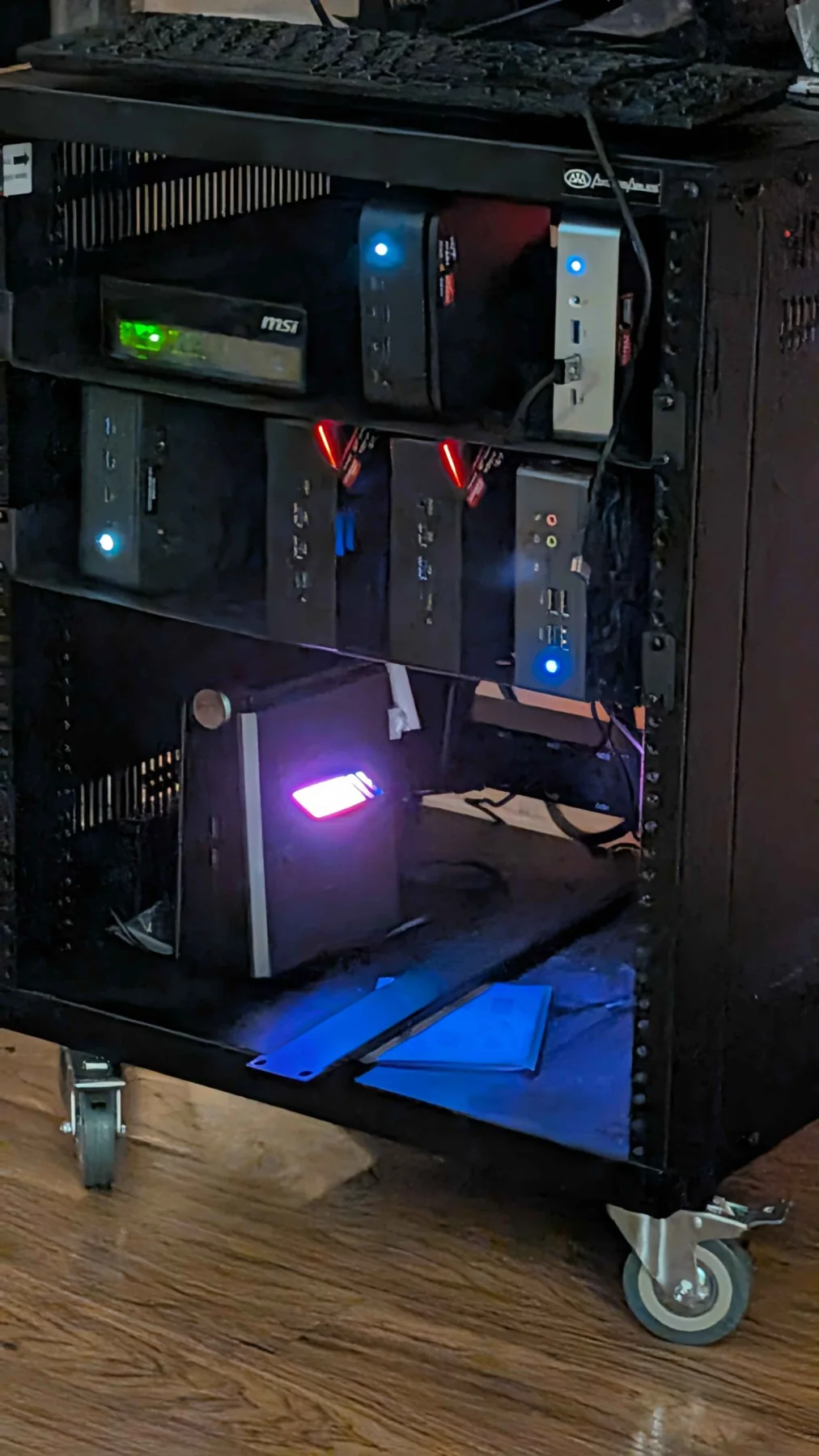
OpenClaw workers publish an ordered chain. Kimi subscription-backed models lead the configured route, Ollama Cloud provides a cloud path, and locally hosted language models provide an optional local path through one OpenAI-compatible request surface. Health, load, and availability influence execution. A model must be installed and configured on the worker before a published route is active.
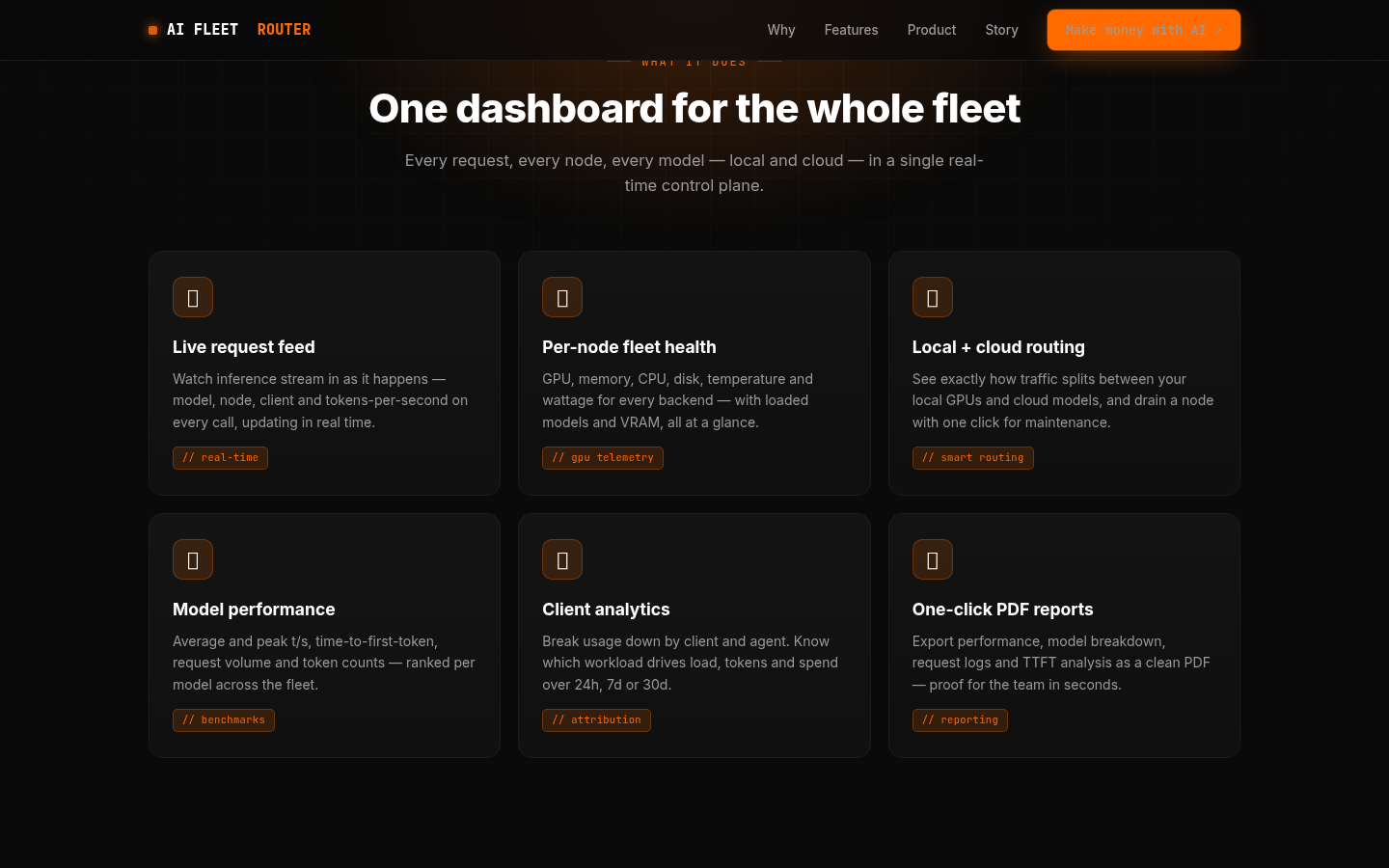
The missing piece for a multi-node fleet is visibility. That is what AI Fleet Router adds: mission control for the local + cloud LLM fleet powering the agents.
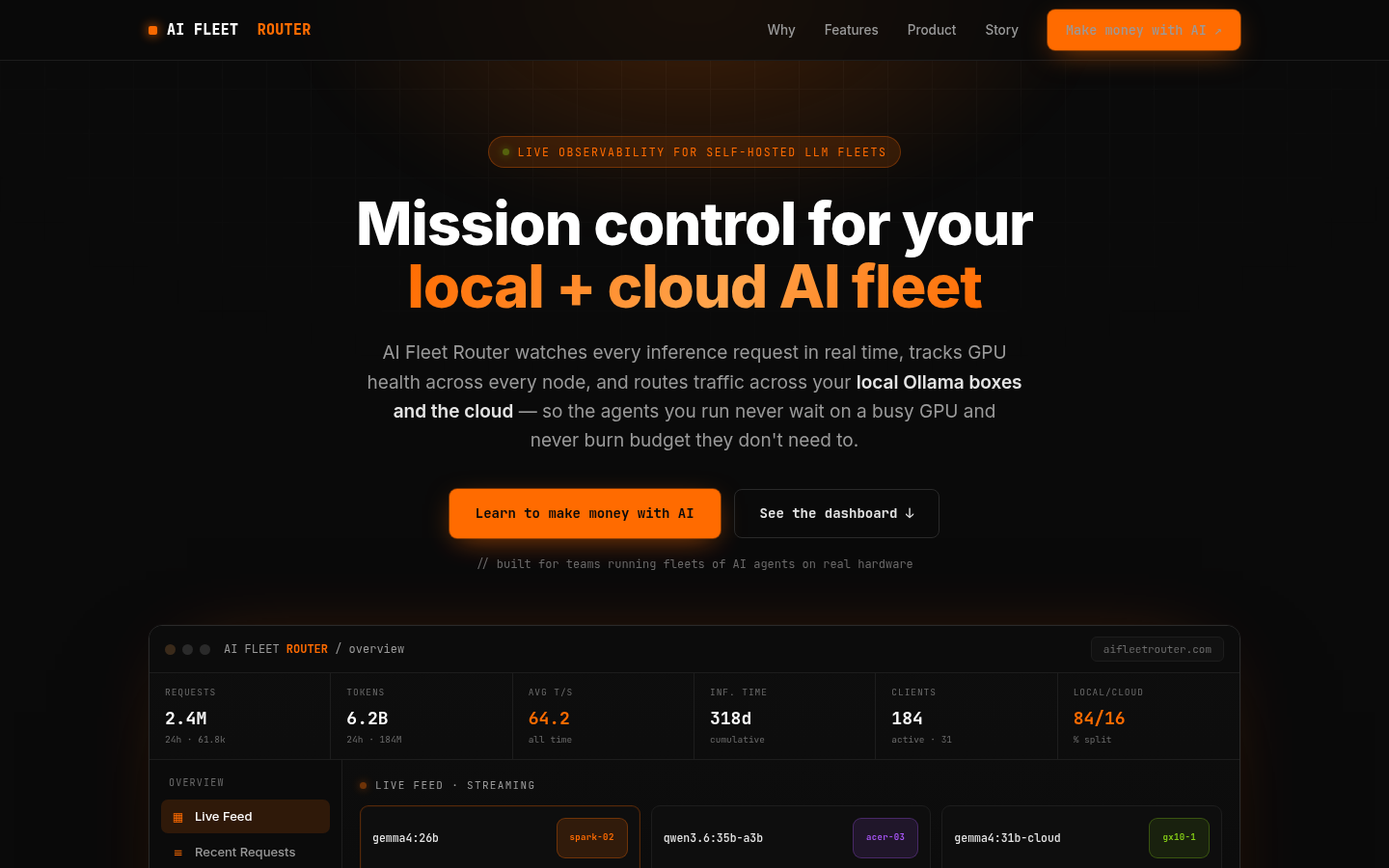
Live observability for self-hosted LLM fleets. It watches every inference request, tracks GPU health across nodes, and routes traffic across local Ollama boxes and the cloud so agents do not wait on a busy GPU or burn budget they do not need.
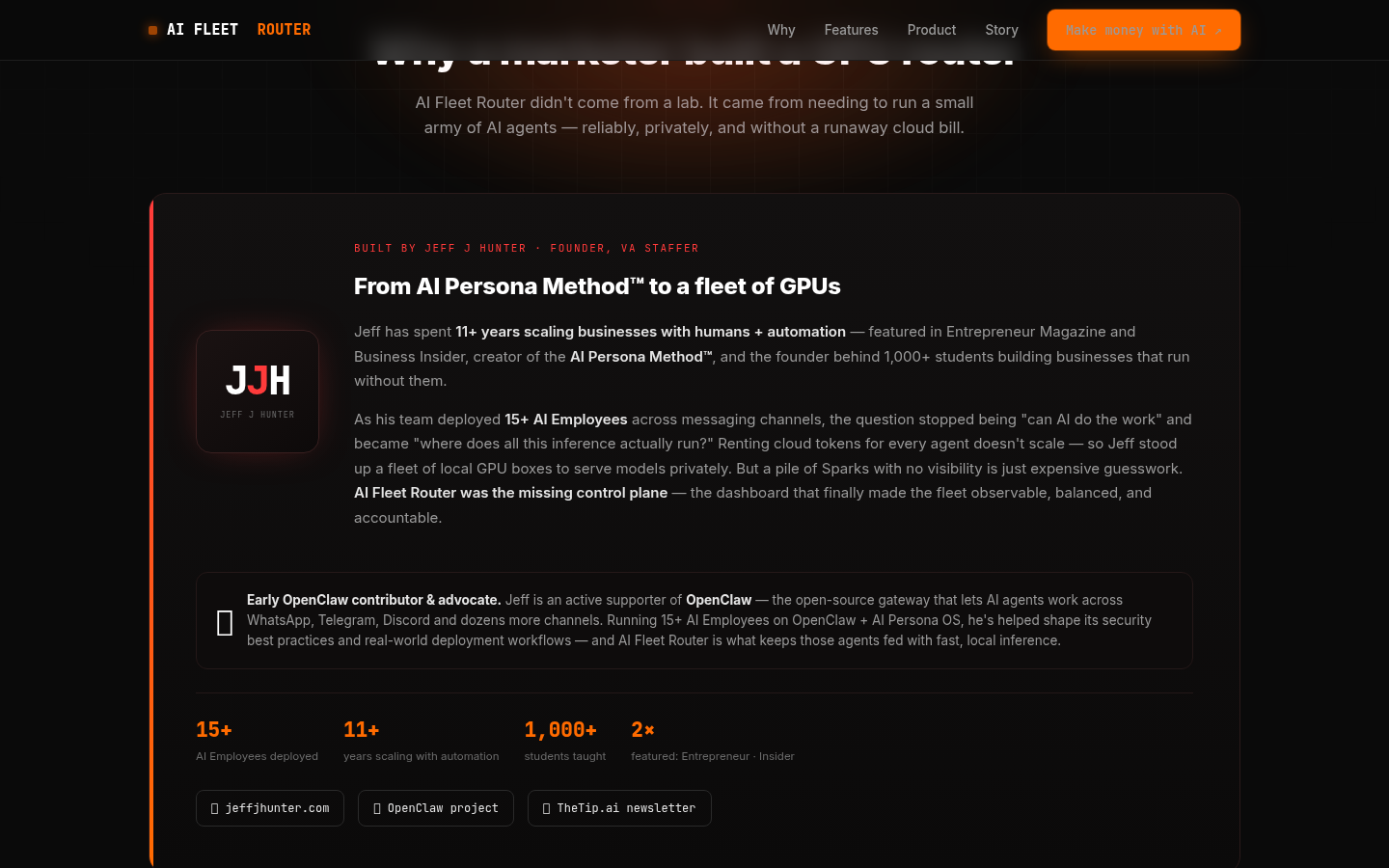
Built for operators running fleets of AI agents on real hardware, not as the minimum continuity path, but as the advanced case study when you outgrow one box and one tab.
Watch inference stream in real time: model, node, client, and tokens-per-second on every call.
GPU, memory, CPU, disk, temperature, and loaded models with VRAM at a glance.
See the local-vs-cloud split live, overflow only when the fleet is saturated, and drain a node for maintenance.
Average and peak t/s, time-to-first-token, request volume, and token counts ranked per model.
Attribute load, tokens, and spend by client or agent over 24h, 7d, or 30d windows.
Export performance, model breakdown, and TTFT analysis as proof for the team.
Kimi subscription models; kimi-k2.7-code:cloud; kimi-k2.5:cloud; gpt-oss:120b; qwen3-coder:30b; DeepSeek R1 70b/32b; Llama 3.3 70b.
ComfyUI, FLUX.1 Schnell and Dev, SDXL, character LoRAs, Fish-Speech S2-Pro, and CUDA Whisper.
Grok and ChatGPT subscriptions support manual ideation and image work. They are not represented as automated router backends.
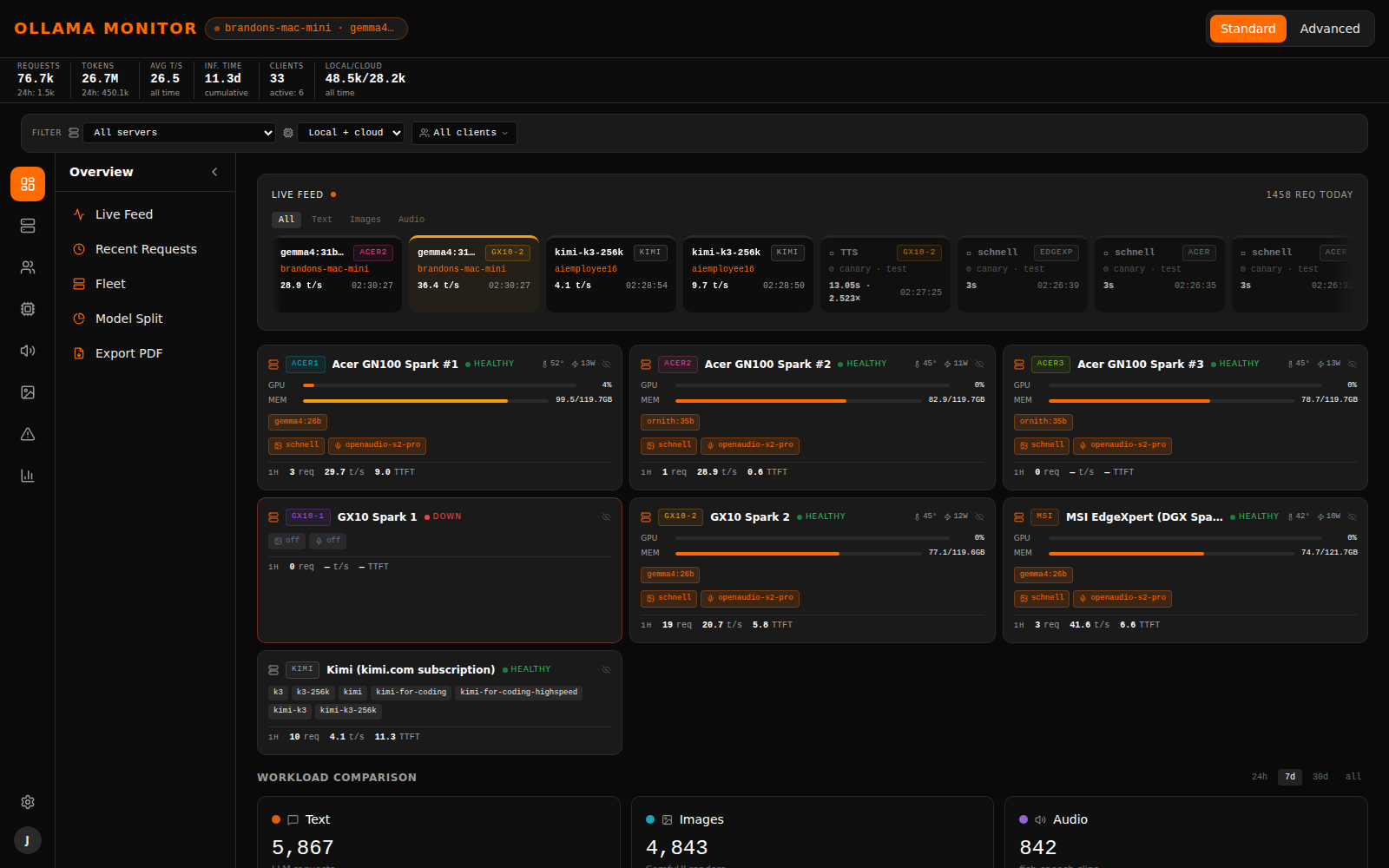
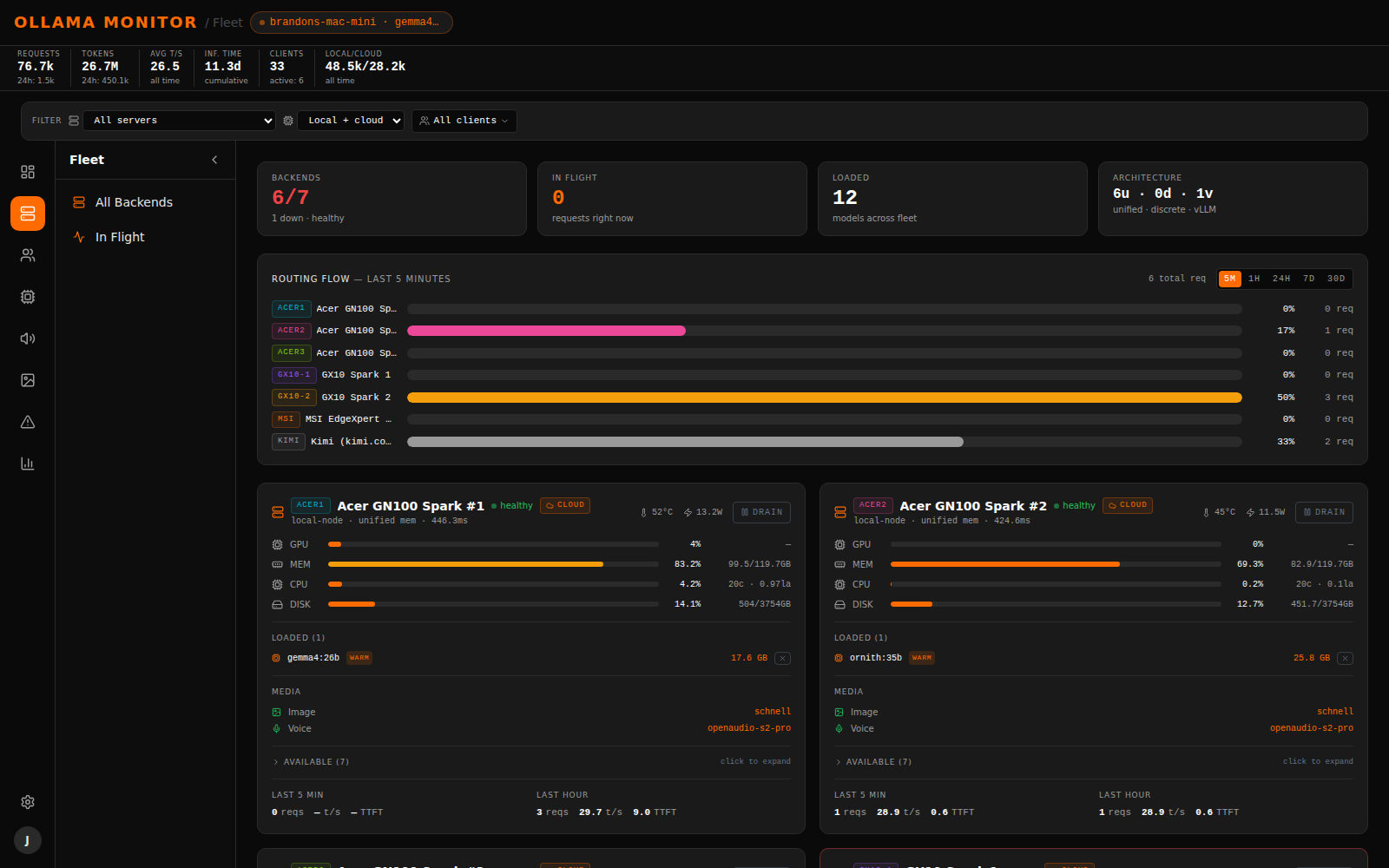
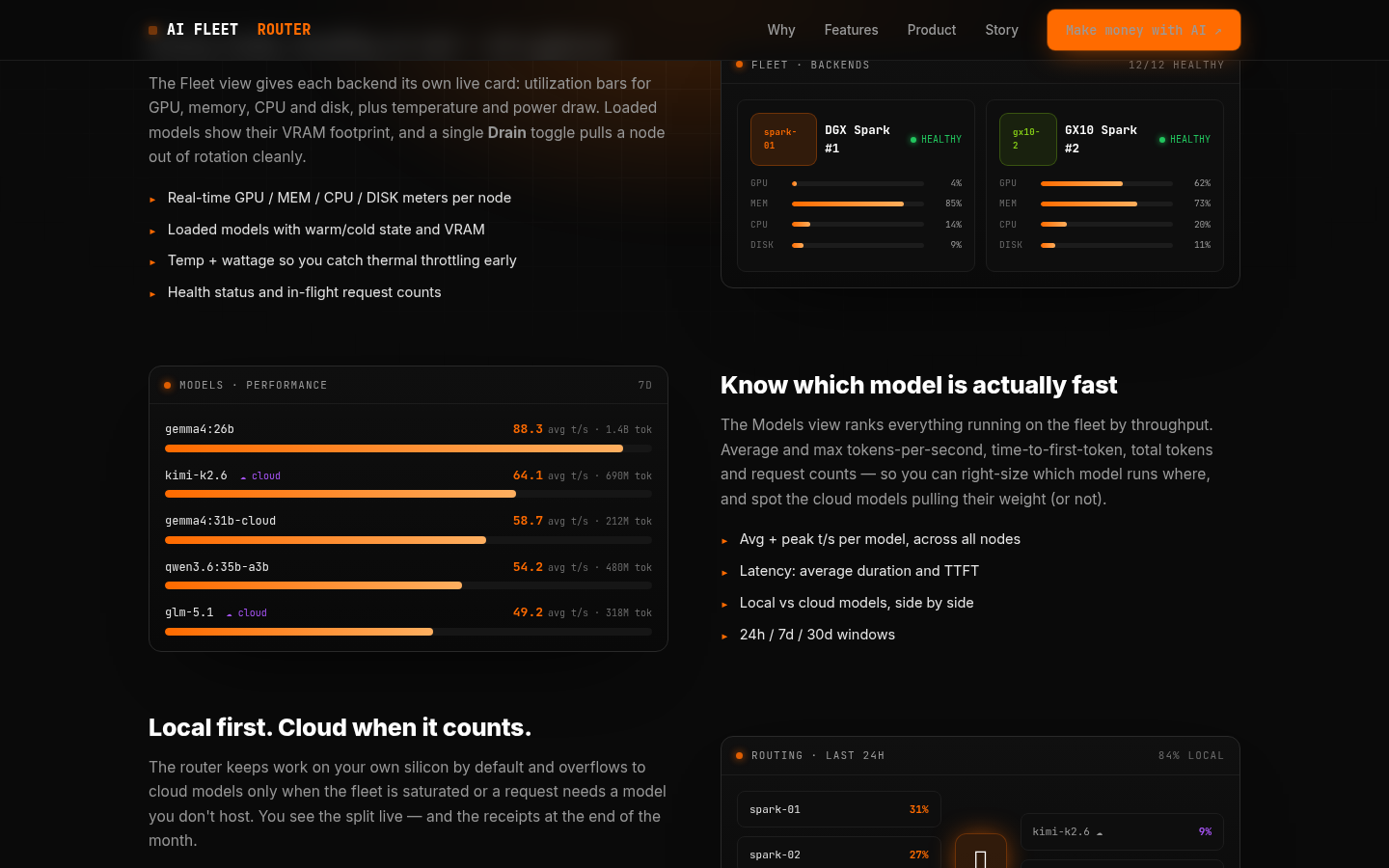
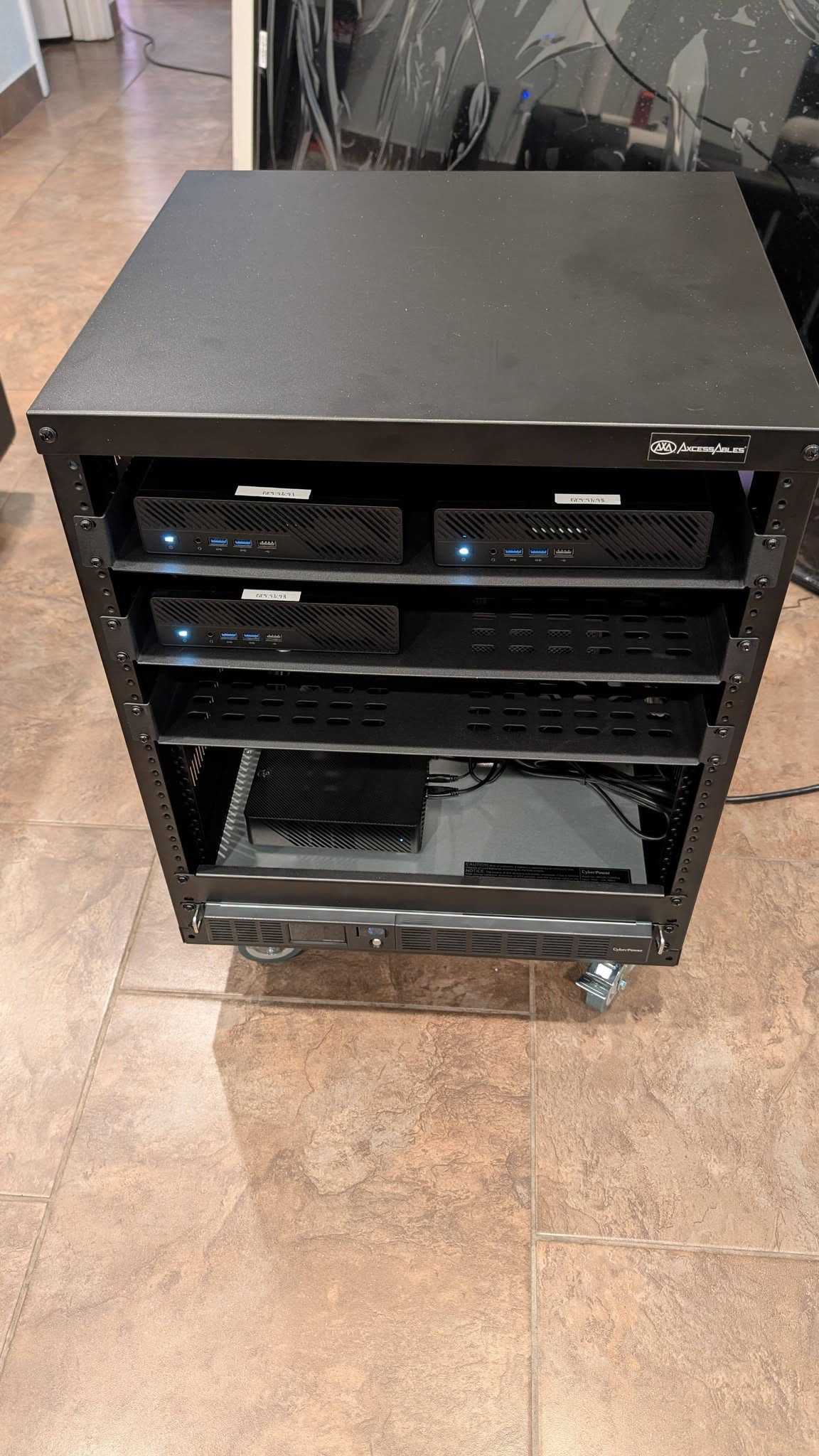
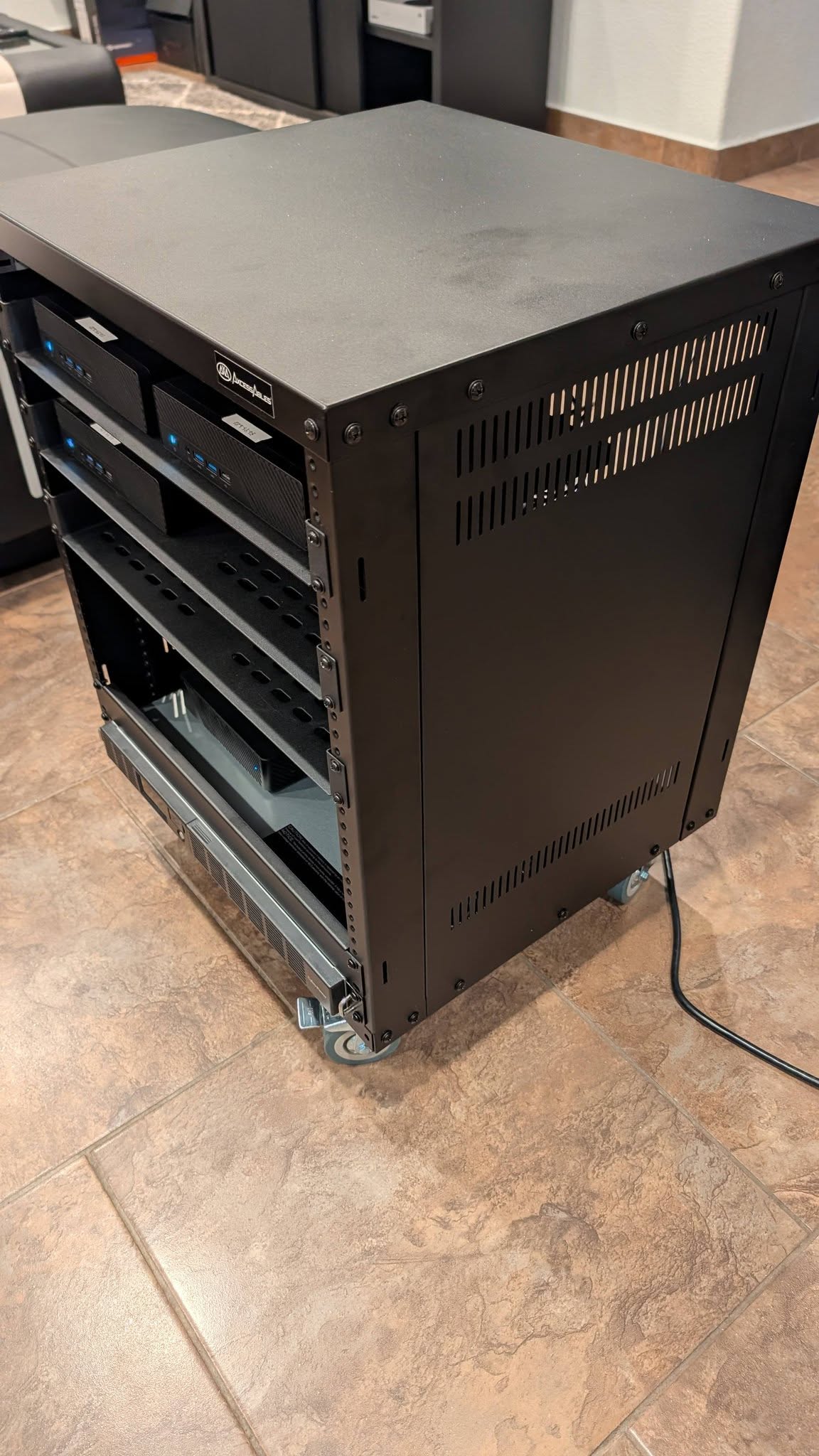
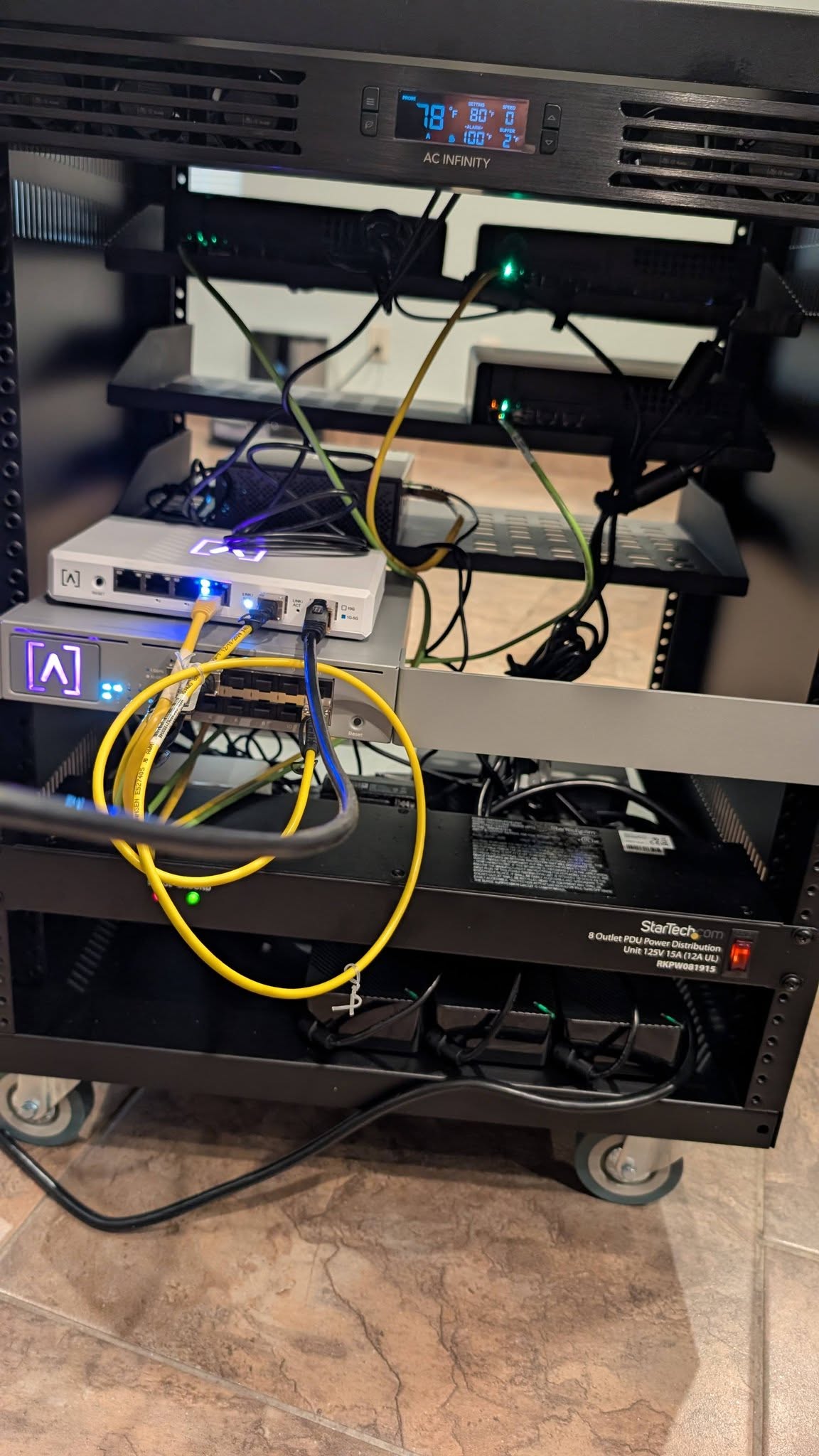
Most readers protect one workflow with a portable packet and a tested backup. When you run many AI Employees on real GPUs, you also need to see which node is hot, which model is fast, and when work should stay local versus overflow to cloud.
AI Fleet Router is that advanced layer in Jeff's stack: optional, transparent, and built from operator need rather than lab theory.
Model names are a dated inventory snapshot, not a permanent recommendation. Routing should follow workload fit, current availability, and tested output quality.
It separates workflow knowledge from any one provider and gives the team observable recovery steps.
Fallbacks can also fail. Human review, ownership, and stop conditions remain part of the system.
Most readers can begin with subscriptions, controlled files, and a tested manual path.
Choose the workflow that would hurt most if its provider disappeared tomorrow. Externalize it, test the backup, and document the manual path.
Get an AI Employee
Beau is Jeff's AI Employee for pages, assets, drafts, deployment, and support materials. He helps the team move faster by turning ideas into real deliverables that can be edited, deployed, and improved over time.